
The Observer

Creation in art can be a living hell, and once in a while, the artist becomes the LT demon of one of Dante’s circles—or the inhabitant of each one of them. But not all infernos are projected from the artist’s mind; some happen only within, and the outcome is an unsuspected, particular, and strange beauty, leaving the artist burning in acid because he is unable to exorcize or sublimate the darkness.
Egon Schiele declared, “I shall go so far that people will be seized with terror at the sight of each of my works of ‘living’ art.” Well, he was wrong. He wanted to dwell in a deep valley of shadows and transmuted them into art that disturbed people, and perhaps some of that happened in his own time. But the truth turned out to be very different. Now we know.

Why do I quote him and his work? Simple. No artist, living or dead, decides the path of his work. Once an artwork is finished, it comes to life and follows its own course, beyond the wishes of its creator, gallerists, curators, dealers, the market, and even collectors.
No one—not a single one—has a crystal ball to know what will happen to an artwork or where it will go.
They become silent living things.
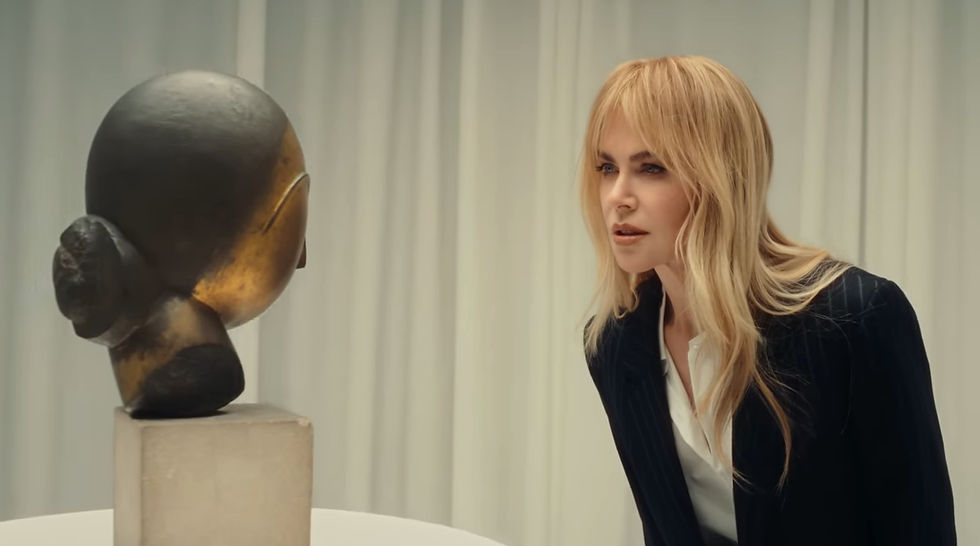
And if you allow me the license, every work of art, not the viewer, is the ultimate observer.
The Observer


Comments